


Why do we kiss each other?

Kissing is the act of pressing one's lips against another person, animal, or object to express love, affection, passion, respect, or a greeting. It acts as a romantic, platonic, or respectful gesture, often serving as foreplay or a ritual in various cultures.

When did we start kissing?

No one knows when humans started kissing each other. But the first written references to kissing appear in Mesopotamia 4,500 years ago. At that time, kisses had the same functions as today: as part of sex, as a show of affection or respect and even as a religious or superstitious gesture. They had, however, lost what some anthropologists believe to be their original function: finding the ideal partner via the chemical signals exchanged in a kiss.

In an article published in Science, two Danish researchers maintain that the first explicit references to the kiss appear in texts from Sumer, a civilization that emerged in the south of present-day Iraq. One of the authors is Troels Pank Arbøll, a professor at the University of Copenhagen and an expert in ancient civilizations of the Middle East.

“The first textual evidence that mentions romantic-sexual kisses seem to come from ancient Mesopotamia around the year 2500 before Christ,”
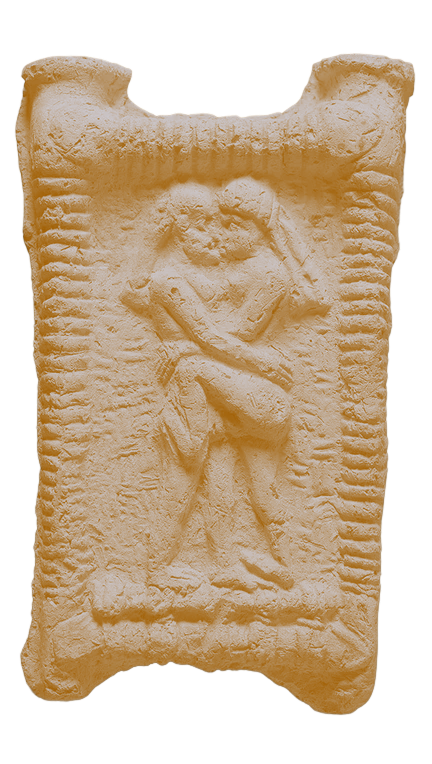
Ancient Mesopotamian clay tablets show evidence of kissing as part of romantic intimacy
Ancient Mesopotamian clay tables show evidence of kissing as part of romantic intimacy. (Image credit: University of Copenhagen/PA)

“The first textual evidence that mentions romantic-sexual kisses seem to come from ancient Mesopotamia around the year 2500 before Christ,” Arbøll writes. Writing was invented in this part of the world, between the Tigris and Euphrates rivers, some 5,200 years ago, with Acadian and Sumerian texts on clay tablets. “It was cuneiform writing, used until 80 years after Christ. We have many sources available today from that period. However, when it was invented, writing in ancient Iraq was used mainly for administration, which means that other kinds of texts only appear gradually,” he adds. We would have to wait 700 years for texts about kissing.

“Those days were indeed faraway days. Those nights were indeed faraway nights. Those years were indeed faraway years. The storm roared, the lightning flashed. In the sacred area of the city of Nippur, the storm roared, the lightning flashed. Heaven talked with Earth, Earth talked with Heaven… He kissed her. The semen of seven twins he planted in her womb.”

The text is from a millennia before the Hindu sacred poems about joining lips. Later tablets include mentions of all kinds of kisses imaginable. Sumerian texts speak of kissing as the act after sex. Meanwhile, some Acadian tablets, from the civilization north of Sumerian, mention kissing the feet or the ground walked upon as a show of respect or submission to parents or priests, while others mention kisses as a manifestation of sexual desire.
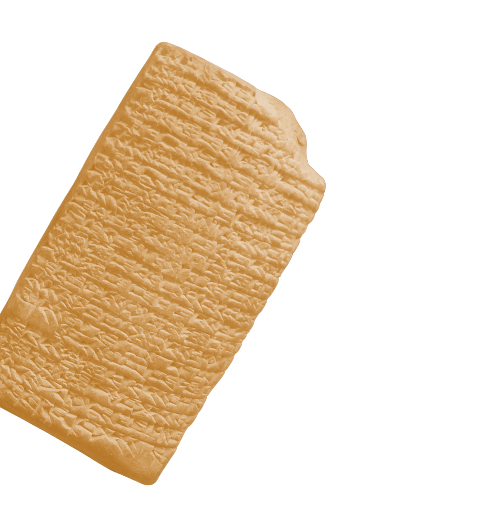
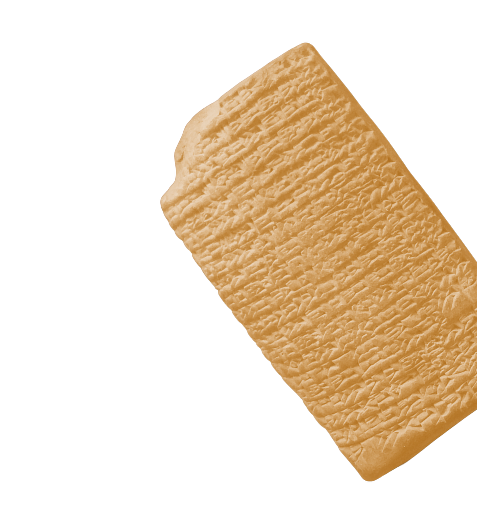
My lips are too small, they know not to kiss.

My precious sweet, lying by my heart,
one by one “tonguemaking,” one by one.

When my sweet precious, my heart, had lain down too,
each of them in turn kissing with the tongue, each in turn.

Is it just a chemical reaction?

Since kissing evolved, the act seems to have become addictive. Human lips enjoy the slimmest layer of skin on the human body, and the lips are among the most densely populated with sensory neurons of any body region. When we kiss, these neurons, along with those in the tongue and mouth, rocket messages to the brain and body, setting off delightful sensations, intense emotions and physical reactions.

Of the 12 or 13 cranial nerves that affect cerebral function, five are at work when we kiss, shuttling messages from our lips, tongue, cheeks and nose to a brain that snatches information about the temperature, taste, smell and movements of the entire affair. Some of that information arrives in the somatosensory cortex, a swath of tissue on the surface of the brain that represents tactile information in a map of the body. In that map, the lips loom large because the size of each represented body region is proportional to the density of its nerve endings.

Kissing unleashes a cocktail of chemicals that govern human stress, motivation, social bonding and sexual stimulation. In one study, psychologist Wendy L. Hill and her student Carey A. Wilson, both then at Lafayette College, compared the levels of two key hormones in 15 college male-female couples before and after they kissed and before and after they talked to each other while holding hands. One hormone, oxytocin, is involved in social bonding, and the other, cortisol, plays a role in stress. Hill and Wilson predicted that kissing would boost levels of oxytocin, which also influences social recognition, male and female orgasm, and childbirth.

But the researchers were surprised to find that oxytocin levels rose only in the males, whereas it decreased in the females, after either kissing or talking while holding hands. They concluded that females must require more than a kiss to feel emotionally connected or sexually excited during physical contact. Females might, for example, need a more romantic atmosphere than the experimental setting provided, the authors speculate. The study revealed that cortisol levels declined for both sexes no matter the form of intimacy, a hint that stress does in fact drop when we kiss.

To the extent that kissing is linked to love, the act may similarly boost brain chemicals associated with pleasure, euphoria and a motivation to connect with a certain someone. In 2005 anthropologist Helen Fisher of Rutgers University and her colleagues reported scanning the brains of 17 individuals as they gazed at pictures of people with whom they were deeply in love. The researchers found an unusual flurry of activity in two brain regions that govern pleasure, motivation and reward: the right ventral tegmental area and the right caudate nucleus. Addictive drugs such as cocaine similarly stimulate these reward centers, through the release of the neurotransmitter dopamine. Love, it seems, is a kind of drug for us humans.

Kissing has other primal effects on us as well. Visceral marching orders boost pulse and blood pressure. The pupils dilate, breathing deepens and rational thought retreats, as desire suppresses both prudence and self-consciousness. For their part, the participants are probably too enthralled to care. As poet e. e. cummings once observed: “kisses are a better fate than wisdom.”

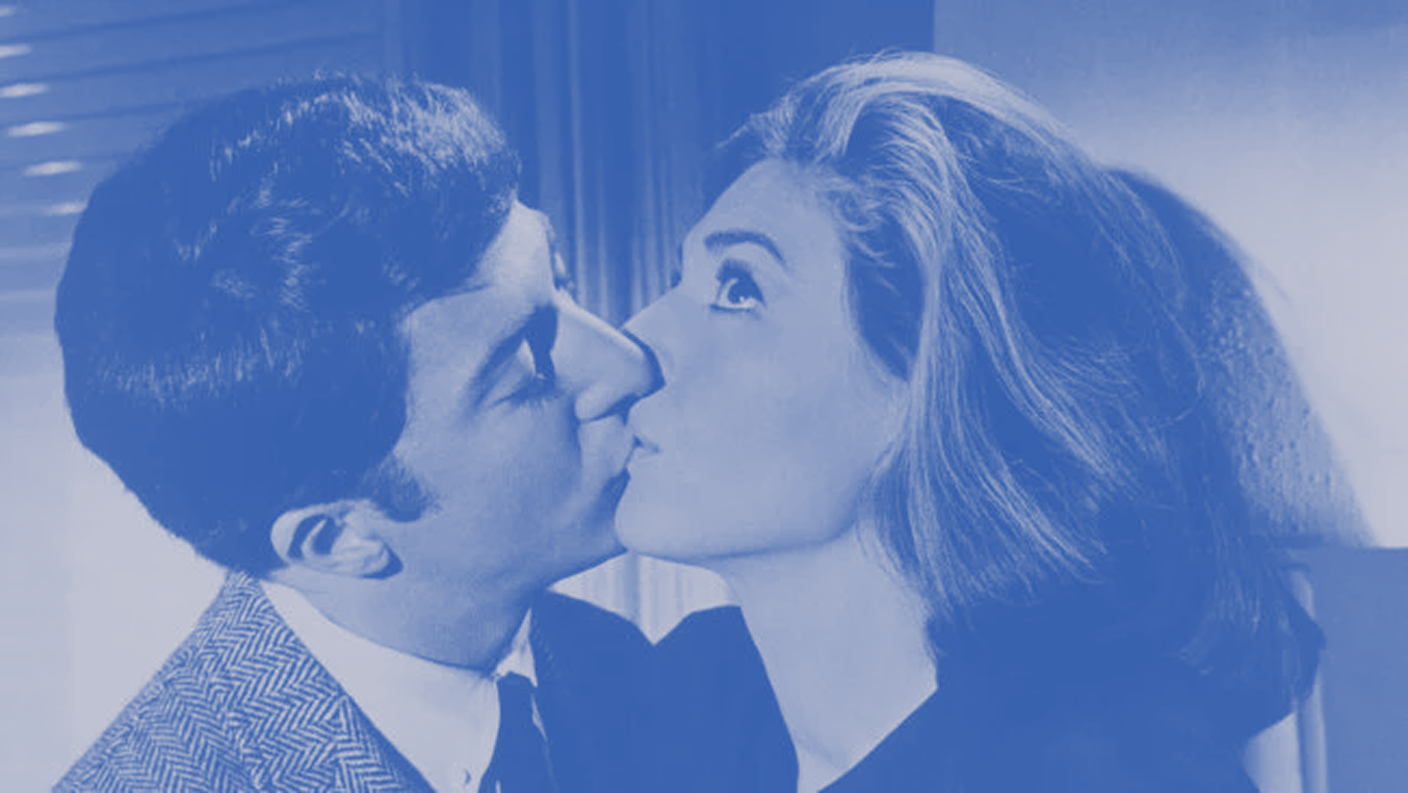
The Graduate, directed by Mike Nichols, Embassy Pictures, 1967.

The Graduate, directed by Mike
Nichols, Embassy Pictures, 1967

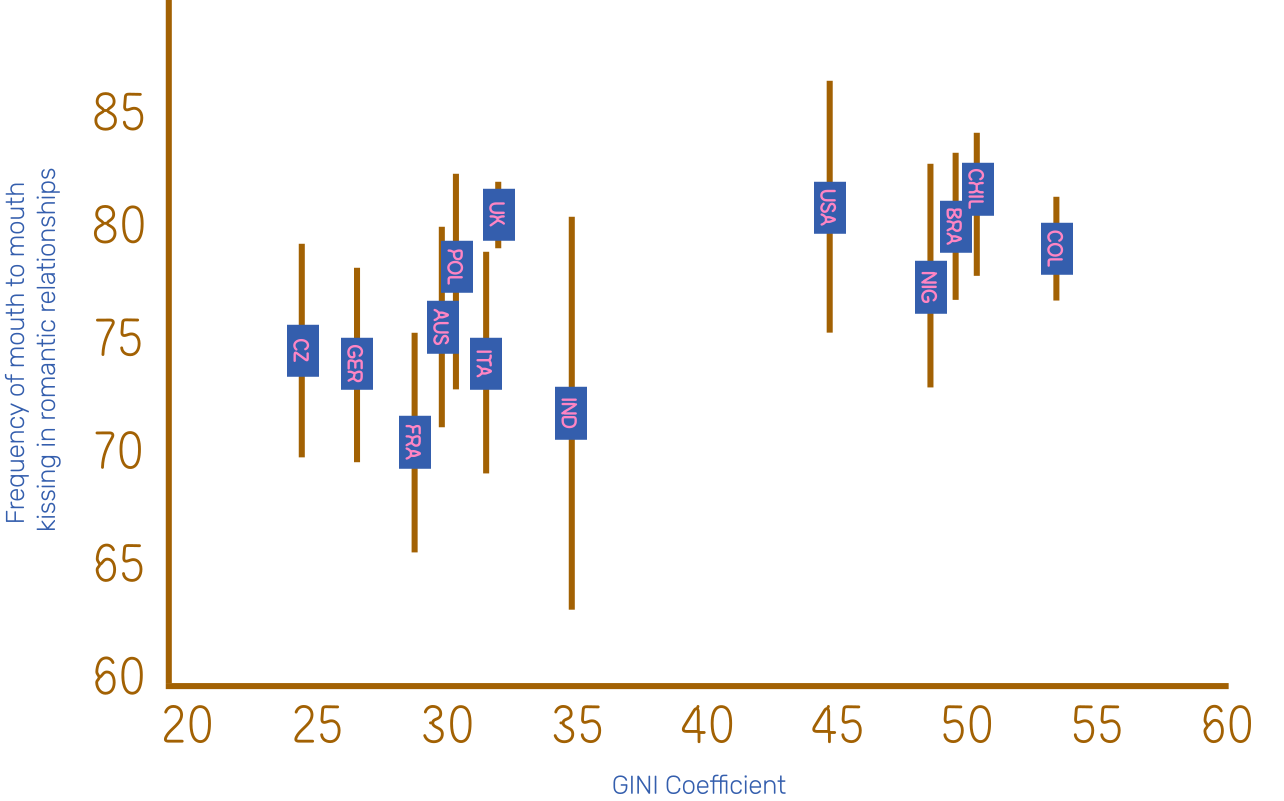
Individuals kiss their partner more in countries where resource competition is likely to be more intense,

Scatter infographic showing kissing frequency against GINI coefficient in different countries

it may play an important role in maintaining long-term stable pair bonds in certain types of harsh environment.

The social kiss

Kissing, or to give the process its grand Latinate name, osculation, is widely practised amongst humans, both young and old. But the kiss is not by any means universally adopted as a form of daily greeting.

People in some cultures are accustomed to maintaining a due bodily distance between all but close family members. Their routine salutations will thus take the form of polite bowing or curtseying at a due distance.

It is true that, in the late twentieth century, the social kiss as a form of daily greeting began to spread quite widely. Yet it’s also worth reflecting that this trend, on a global scale, is relatively recent.

Cultural variations in social kissing

How many social kisses are required for politeness is a question that gets different answers in different cultures. For people in some communities, a single kiss is often sufficient for a friendly greeting. Yet people in other communities prefer two people moving their heads in synchronisation to kiss on alternate cheeks. And some others expect three kisses, or even four. Cue some agreeable confusion when people from different kissing cultures meet.

Meanwhile, there are other historic variants of the social kiss of greeting. A striking custom was traditionally practised in Iceland, when its male freeholder farmers lived in a community of more or less social equals. Upon meeting, these men habitually kissed one another on the cheeks, but briefly and non-sensually.

Furthermore, greetings that involve kissing the back of an outstretched hand are common in some parts of the world today. Typically, a person of lower status greets a senior figure with a hand-kiss. For example, each morning, children in Bulgarian homes salute their father in that style, whilst he may well reciprocate with a kindly pat on the head.

The myth of Nelson’s last kiss

Famously, Horatio Nelson, when dying in battle at Trafalgar in 1805, requested of his Vice Admiral: ‘Kiss me, Hardy!’ It seemed a fittingly poignant salute to a national hero. Alas, however, recently discovered evidence contradicts that story. It may simply be a reassuring myth, which adds grace and comfort to a sadly dramatic death.

Symbolism of the social kiss

Putting one’s face very close to another’s implies trust. Pressing the lips in a kiss on the cheek implies affection. The gesture has some of the features of a passionate embrace. Yet the social kiss is both offered and given with social restraint.

A peck on the cheek does not mean ‘I love you forever.’ Yet it does provide a closely personal way of saying a warm ‘Hello’ or ‘Goodbye’ or, as Robert Burns put it poetically: ‘Aye, fond kiss, and then we sever.’

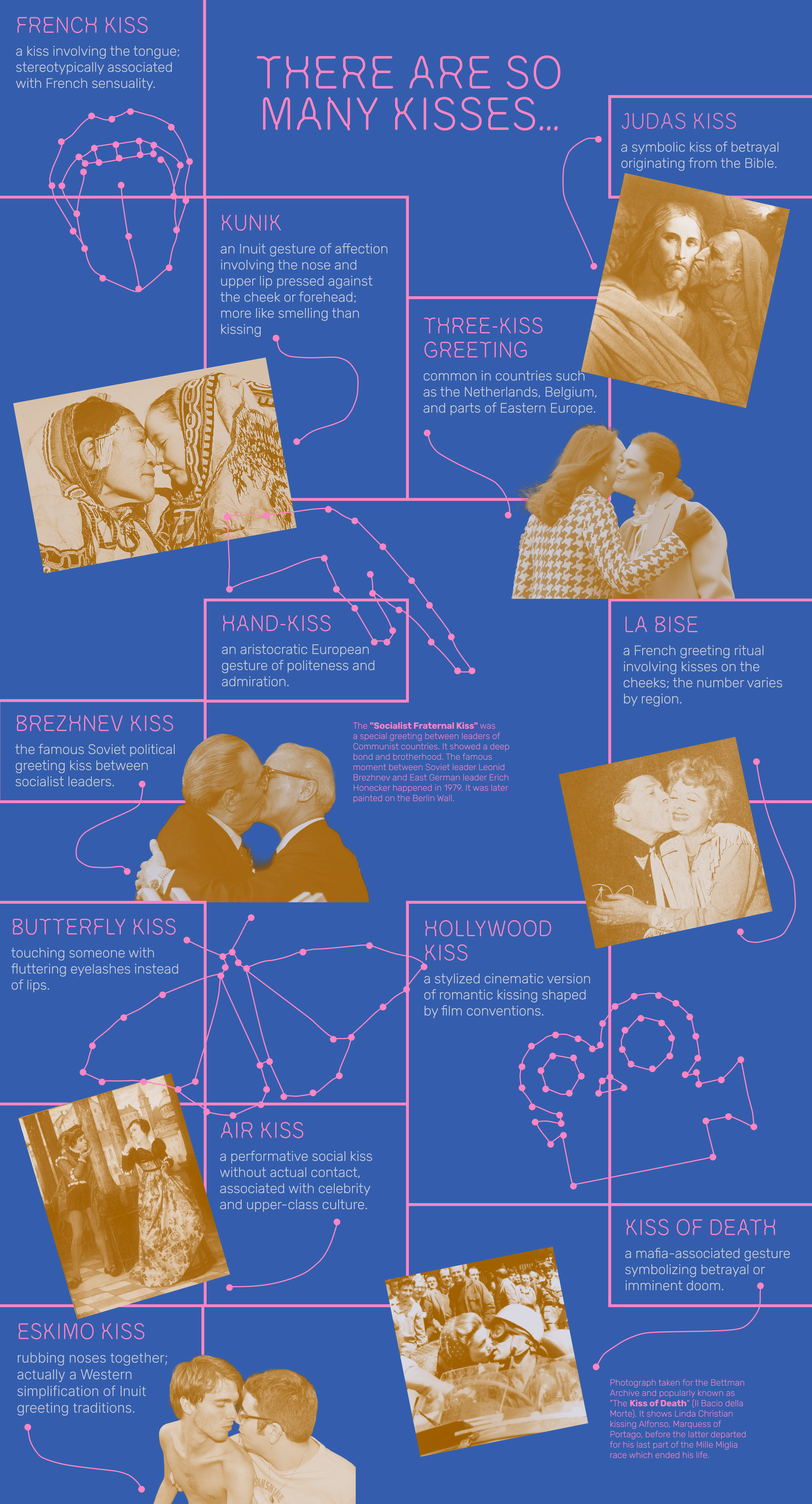
There are so many kisses

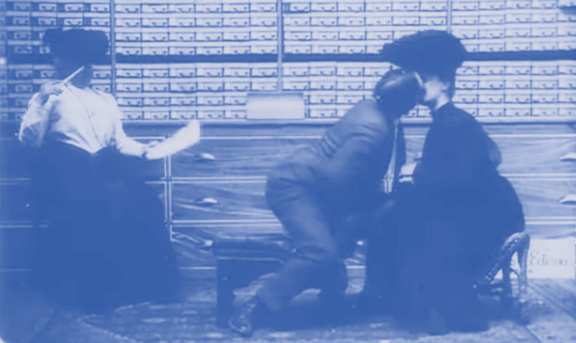
Types of kisses collage
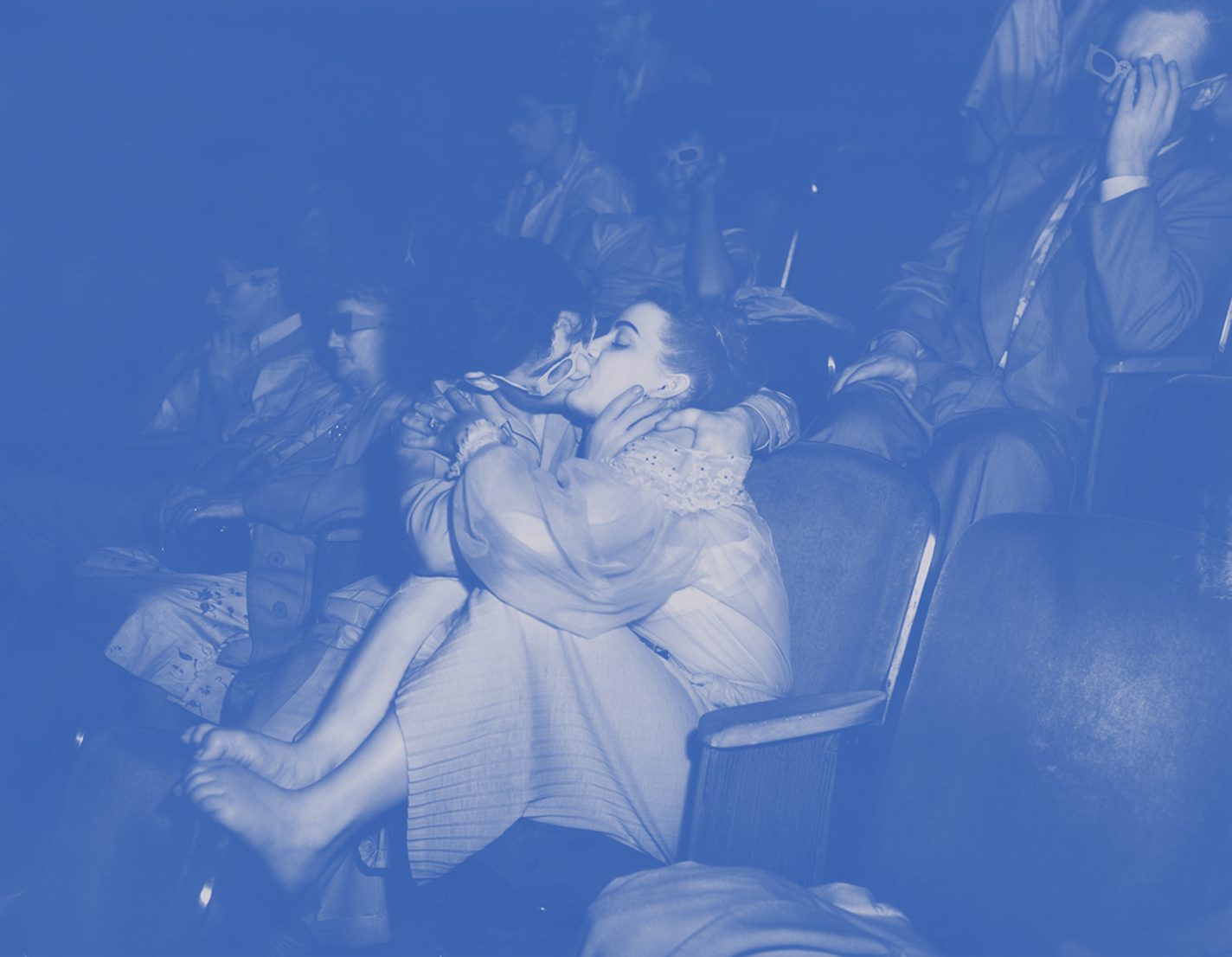
Weegee, Lovers, Palace Theater New York City 1945

Weegee, Lovers, Palace Theater
New York City 1945

The on-screen kiss as a reflection

Kissing is an art, and like all art forms, the dominant style changes across eras. In movies especially, there are the classics, the rebels and the anomalies that happened ahead of their time. Audiences have been mesmerized and scandalized by this intimate act for over a century. “There was a day when to succumb to a kiss was to agree to marriage” says Linda Williams, a professor in Film and Media Rhetoric at University of California, Berkeley. But whether it’s a tender peck or an impassioned embrace, the gravity of a cinematic kiss is not to be underestimated. For many, these kisses came long before actual first kisses.

They taught generations the spontaneous wonder of being dipped and kissed, the perils of making out in cars, and the way to will a kiss into existence using nothing but a lingering glance on a stranger’s lips. While a kiss may have equated suburban happily-ever-after in the 1950s, it changed with the sexual revolution of the 1960s and changed again with the return to moral conservatism of the Reagan era of the 1980s.

1940s: The 3-Second Kiss Era

The kisses of this era were fairly formulaic: the man (often tall, masculine and strong) mashed his lips to a woman’s (often shorter and being held down or wrapped up in some way).

1950s: The Closed-Mouth Kiss Means Marriage Era

Women certainly did not initiate kisses unless they were obviously playing the character of the harlot, and their role was mainly to be ogled or restricted to the home in the capacity of a wife and not much else.

1960s: The Kisses Are Breaking The Rules Era

Culturally, the 1960s were a cataclysm of feminism, the anti-war movement, the civil rights movement, gay liberation and a slew of other progressive social causes all happening during a short period of time. This is also when stories about marginalized people start to be told onscreen.

1970s: The Era of Nudity, Liberation & Queer Kisses

The storylines were gritty and progressive, so it only makes sense that the kisses of the time were also revolutionary, showing women’s sexuality unapologetically and giving us some of the first queer representation ever.

The 1980s: The High School Kisses Era

If the ‘70s were known for their sexual freedom, the ‘80s begin to chip away at this newfound liberation. The rise of AIDS, the looming threat of the Cold War and the conservative politics of the time all led to the repression of intimacy onscreen once again.

The 1990s: The Open Mouth Make-Out Era

These movies forward “the idea that two women kissing is absolutely fine because straight men can find it titillating and it doesn’t transgress gender roles,” McCracken sums up. Inadvertently, this trend invalidated the lived experience of queer women by exploiting their sexuality.

The 2000s To The Present: The Era Of Casual Kisses

Every once in a while, we see a romantic, old-fashioned clinch in the rain. But with the rise of dating apps, hookups have become more casual and intimacy does not always mean that there are strings attached. Most rom-com stories have focused squarely on “getting the guy,” and depictions of female sexual pleasure are still few and far between.

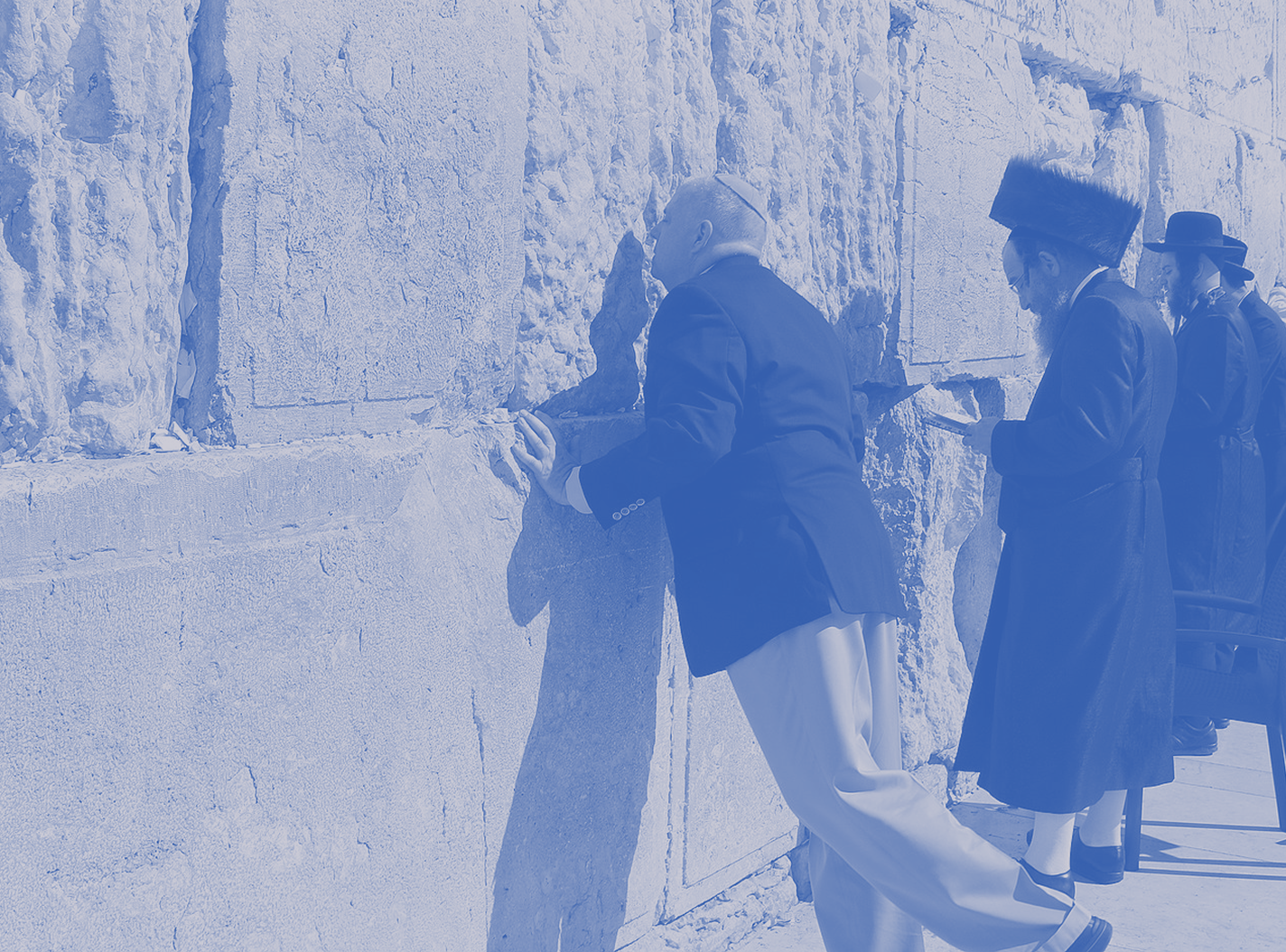
Western Wall, Jerusalem

Maryland GovPics, Western Wall In Old City Of Jerusalem, Jerusalem

the religion of kissing

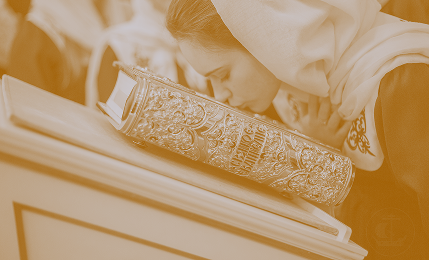
Every day, between three and four thousand Catholic and Eastern Orthodox pilgrims queue to enter the Tomb of Jesus in the holiest site in Christendom, the Church of the Holy Sepulchre in Jerusalem.

One after one, these pilgrims share lip space with devout strangers as they kiss the stone slab, known as the Stone of Unction, on which Jesus was allegedly anointed. Many close their eyes as they do so. In May 2009, Pope Benedict himself, during his visit to the Holy Land, endorsed the practice when he was photographed bending and giving the stone a reverent kiss.

Like the rest of the tomb area, the slab is cleaned weekly. Archbishop Aris Shirvanian, who monitors the Armenian areas of the church with the Greek Orthodox and the Franciscans, said:

It is washed every Saturday with water and paraffin. The paraffin is needed because of candle wax.

Some visitors recoil from the practice of sharing oral secretions with unknown people, but many others trust in God to keep them safe from infection. Such an attitude is not the preserve of either Christians or this Holy City. Many will point out that Allah provides his followers with similar protection in Mecca without apparent ill effect. During the hajj, over three million Muslims attempt to emulate the kiss given to the famous black stone by the prophet Muhammad. And in Jerusalem religious Jews routinely share more than just lip space by immersing themselves in ritual baths, known as the mikvah.

George Shand, the minister of the Scottish Church, overlooking the Old City of Jerusalem commented:

I speculate on the paradox of a ritual bath at a holy site like at the Pool of Siloam, where the cleanliness of the water is somewhat questionable.

On the way back from Qasr al-Yahud to Jerusalem bus loads of pilgrims stopped at the romantic 5th-century monastery of St Gerassimos, between Jericho and the Dead Sea. In the ancient church they were not deterred in the slightest by any germs that may have been left behind by the previous kissers. Hundreds lined up to close their eyes and passionately kissed a picture.

This practice, however, is not without a little censure. Here in the Holy Land, especially in Jerusalem, so deeply rooted in Jewish, Christian, and Muslim identity, sometimes members of other religions and atheists show disdain towards the Christian habit of kissing shared religious objects, especially crosses and icons - let alone a chalice or common communion cup. Such criticism makes no impact on faith overcoming good hygiene practices, as is seen in the Greek Orthodox Church. During communion the priest uses just one spoon to deliver the Eucharist into the mouths of the congregation. Usually, the possibility of contagion from shared objects is dismissed with remarks, such as, "This has been carried out in the church for near on 2,000 years."

But it must be remembered that in Jerusalem a fine layer of dust from the Judean desert covers everything, including often, truth and judgment, even faith.

About two-thirds of people naturally tilt their head to the right while kissing.

I tilt left
kissing face emoji
I tilt right

Onur Güntürkün of the Ruhr-University of Bochum in Germany surveyed 124 couples kissing in public places in the U.S., Germany and Turkey and found that the partners tilted their heads to the right twice as often as to the left before their lips touched. Güntürkün suspects that right-tilted kissing results from a general preference that develops at the end of gestation and in infancy. This “behavioral asymmetry” is related to the lateralization of brain functions such as speech and spatial awareness.

Kissing is a complex behavior that requires significant muscular coordination involving a total of 34 facial muscles and 112 postural muscles

Let’s not.

In approximately 10% of the world population, kissing does not take place, for a variety of reasons, including that they find it dirty or because of superstitious reasons.

For example, in parts of Sudan it is believed that the mouth is the portal to the soul, so they do not want to invite death or have their spirit taken. Psychology professor Elaine Hatfield noted that “kissing was far from universal and even seen as improper by many societies.” The romantic-sexual kiss is present in only about half of the global cultures. Despite kissing being widespread, in some parts of the world it is still taboo to kiss publicly and is often banned in films or in other media. Anthropologists also documented societies in the Amazon and parts of Africa where couples did not kiss at all.

3 reasons to kiss

  1. 1no reasons!
  2. 2Some cultures historically found kissing disgusting or strange rather than romantic
  3. 3Sex-workers historically avoided mouth kissing more than sex itself because kissing was considered emotionally intimate and bonding.

3 reasons not to kiss

  1. 1Scientists think kissing may help people unconsciously assess a partner through smell and taste. Our brains may be gathering information about health, compatibility, and attraction without us realizing it.
  2. 2Ancient people kissed not only lovers, but also rulers, idols, sacred objects, and even the ground in front of powerful figures.
  3. 3Another evolutionary theory argues kissing originally functioned more like grooming — helping remove parasites and debris

59% of 58 men and 66% of 122 women admitted there had been times when they were attracted to someone only to find that their interest evaporated after their first kiss.