
What do we know about birthdays?

Birthdays of people are celebrated in numerous cultures, often with birthday gifts, birthday cards, a birthday party, or a rite of passage.

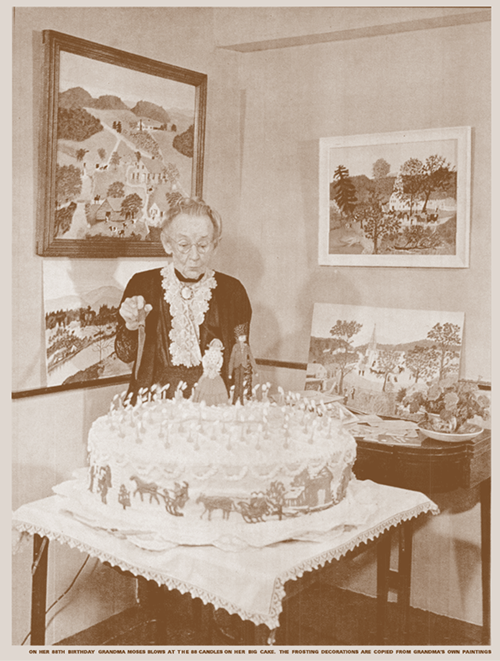
An older woman sitting behind a large birthday cake

When were birthday parties invented?

The first evidence of celebrating birthdays is from economic texts from Lagash, an important city in ancient Sumer, a region of southern Mesopotamia that is considered the site of the earliest known civilization. Vladimir Emelianov, a historian at St. Petersburg University in Russia, told Live Science in an email.

Emelianov has studied cuneiform tablets compiled in the third millennium B.C., during the reign of King Lugalanda (2384 to 2378 B.C.), that mention holidays celebrating the births of the ruler's children. An elite birth, according to the texts, was marked by an animal sacrifice that the living shared with their deceased ancestors.

Another early note on birthdays comes from the Greek historian Herodotus. In the fifth century B.C., Herodotus wrote about the customs of the Persians in "Histories," saying that "of all days, their wont is to honor most that on which they were born, each one: on this, they think it right to set out a feast more liberal than on other days." Both the rich and the poor threw these birthday parties, where they cooked a wealth of meat and filled their tables with abundant desserts.

“Of all days, their wont is to honor most that on which they were born, each one: on this, they think it right to set out a feast more liberal than on other days.”

Emelianov has not pinned down exactly when annual celebrations of birthdays began. [This tradition may have started with the Sumerian kings 4,000 years ago or with the Persians in the fifth century B.C., he said. These celebrations may even have taken place before humans began writing them down.

But by the later years of the Roman Republic (509 to 27 B.C.), the custom of celebrating an individual's birthday had become widespread.

For evidence of this, Emelianov pointed to a character's birthday celebration in the Latin comedic play "Pseudolus," first staged in 191 B.C., and to a letter from the Roman orator Cicero mentioning his daughter's birthday celebration in 50 B.C. And in the first century A.D., a Roman woman wrote a letter to invite her friend to her birthday party at the fort of Vindolanda in England.
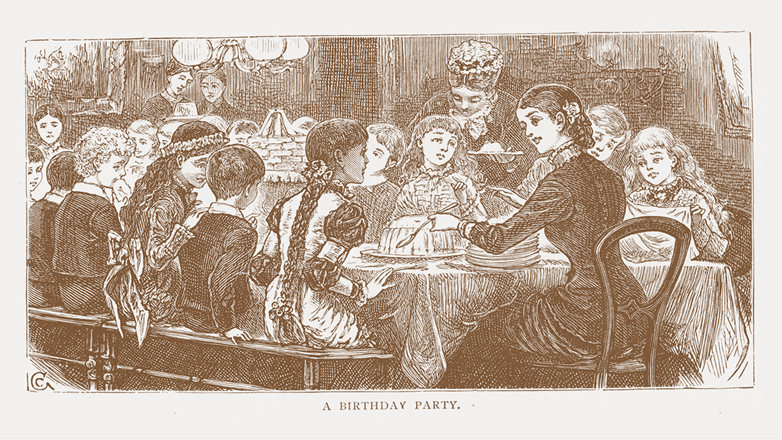
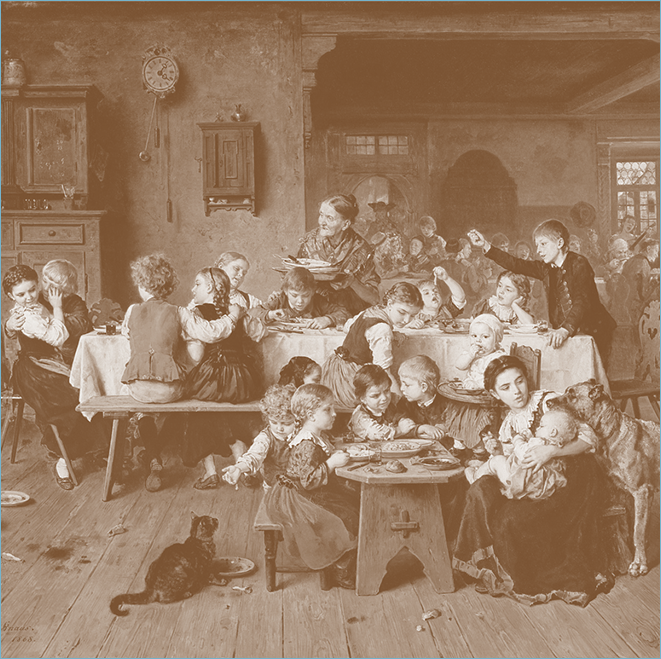
A historical drawing of a children's birthday party
A 19th century drawing depicts an early modern birthday party, likely for a child from a wealthy family. (Image credit: Alamy)

In Western Europe and North America, celebration one's date of birth with a party with friends became popular around 1870, according to Elizabeth Pleck, a historian at the University of Illinois Urbana-Champaign and author of the book Celebrating the Family (Harvard University Press, 2000). This idea of a birthday party with cake, candles and presents was largely the creation of wealthy Protestant parents in the U.S., Pleck wrote, but by the early 20th century, the tradition was prevalent regardless of wealth.
Make a party
Eat a cake
Blow a candle
Make presents
Sing that song

Loooooooong history of birthday cakes

A birthday cake is a cake eaten as part of birthday celebrations. While there is no standard for birthday cakes, they are typically highly decorated layer cakes covered in frosting, often featuring birthday wishes followed by the celebrant's name. It may include candles, custom writing or even the birthday cake with small candles on top, especially in the case of a child's birthday.

The link between cakes and birthday celebrations may date back to ancient Roman times

In classical Roman culture, cakes were occasionally served at special birthdays and at weddings. The Romans had three different types of birthday: a personal, private one with family and friends; the birthdays of past and present imperial emperors, who were honored with celebration; and finally, which was particularly special and was celebrated only once with olive oil, honey and cheese.

Yet another theory regarding the tradition of a celebratory bread or cake suggests that it originated in Germany in the Middle Ages as a sweetened baked dough previously shaped as baby Jesus, as a commemoration of his birthday. This cake was upgraded in the early 15th century when it began to resemble what we enjoy today.

The Germans celebrated young children's birthdays with cake, naming the celebration Kinderfest: the nearest prerequisite of contemporary children's birthday parties. These cakes were similar to the Romans' festive bread but progressed into what was called Geburtstagsorten: a sweeter, richer cake version.

According to statistics the most popular cake flavour is chocolate. Do you agree?

From cakes to clicks

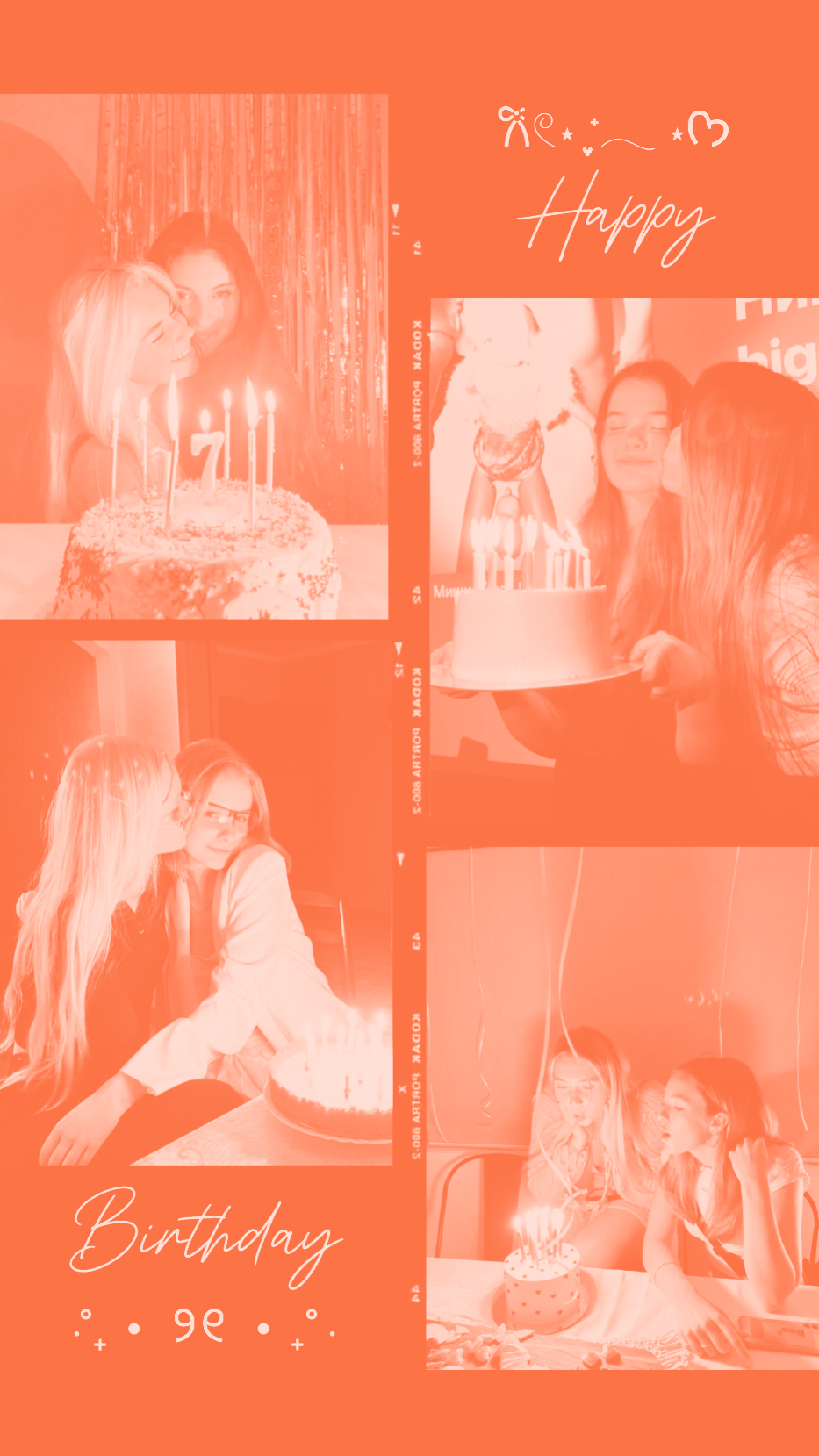
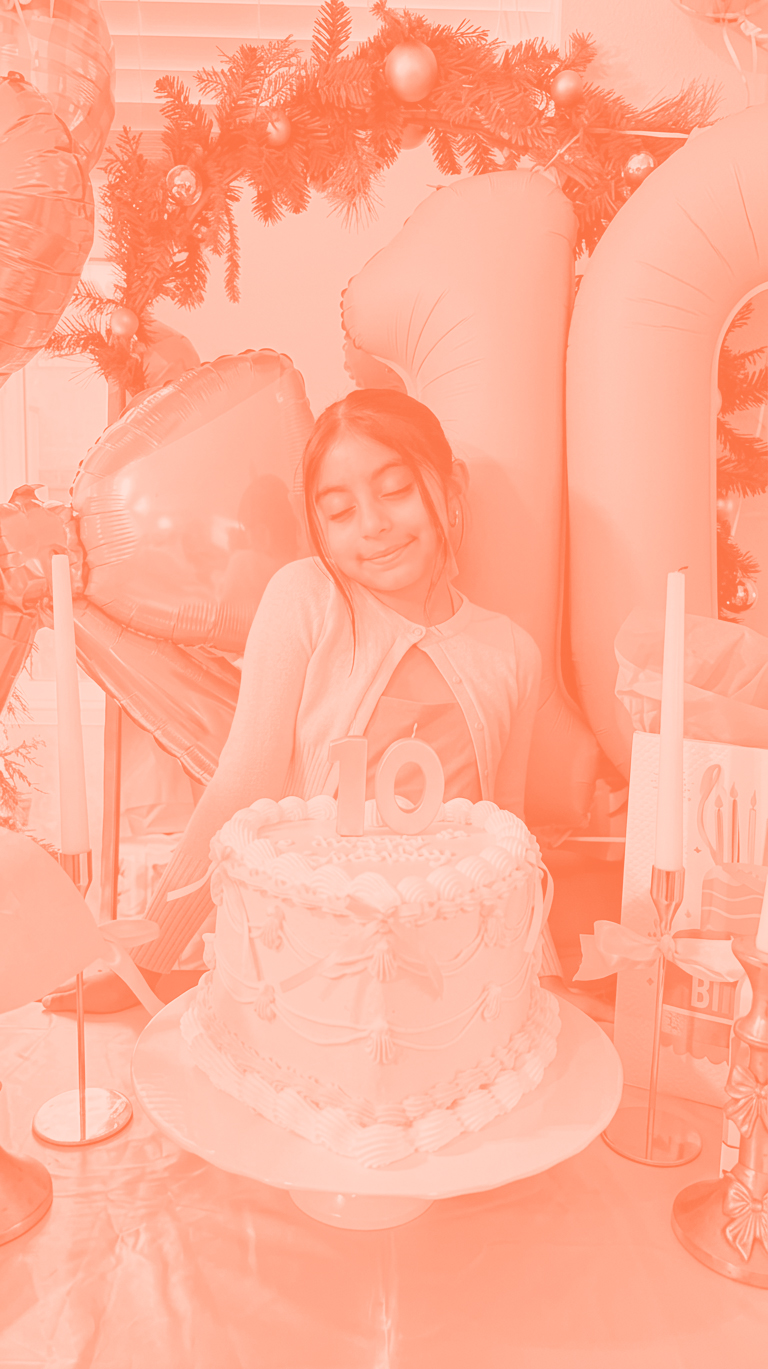
The new way to celebrate your birthday is by posting what you’re doing for it on social media, whether that be checking in to a restaurant on Facebook, updating your Instagram Story as your night unfolds or even posting a photo of you holding two balloons that coincide with your new age.

Social media wants more

Social media seems to have pushed people to do more. FOMO disorder has left people looking longingly at other people’s social media posts wishing they could do more with their lives, and what’s a better excuse than your birthday to do all the things you said you would? Birthdays used to be a one day event, but with social media you can post your celebrations every day and even in the week leading up to your milestone. This means other users are pelted with videos, photos and status updates of what you’re doing over your birthday - why? Because that’s what social media is for - to boast about what you’re doing and showcase gifts.

Bye, bye birthday cards

Facebook allows you to post ‘Happy Birthday’ on your friends’ walls and even sends reminders as notifications so you won’t miss your pal’s big day, which is really handy for those forgetful souls. People often create collages, send photos and create videos to send to their friends on their birthdays.

The whole idea of a birthday card has been somewhat eradicated by the idea of Facebook’s virtual greeting. Now, you can even have a fundraiser on Facebook for your birthday, so people can donate to a worthy cause instead of buying you personal gifts. You can also send your friend a short video showcasing your celebratory words, which is ideal for those who cannot be there to say happy birthday in person. Also, you can host your birthday as an event to invite your friends and see who’s attending or not.

Where did all the birthday magic go?

Although it’s a great feeling to have over a hundred of your friends wish you happy birthday on your Facebook wall, or receive tweets from those you’d forgotten saying have a great day or view embarrassing photos of yourself on Instagram posted by your best friend, social media has taken away that special element birthdays used to have. It’s also not great for those wanting to forget that they have aged another year.

Real or cake? How AI confuses baking

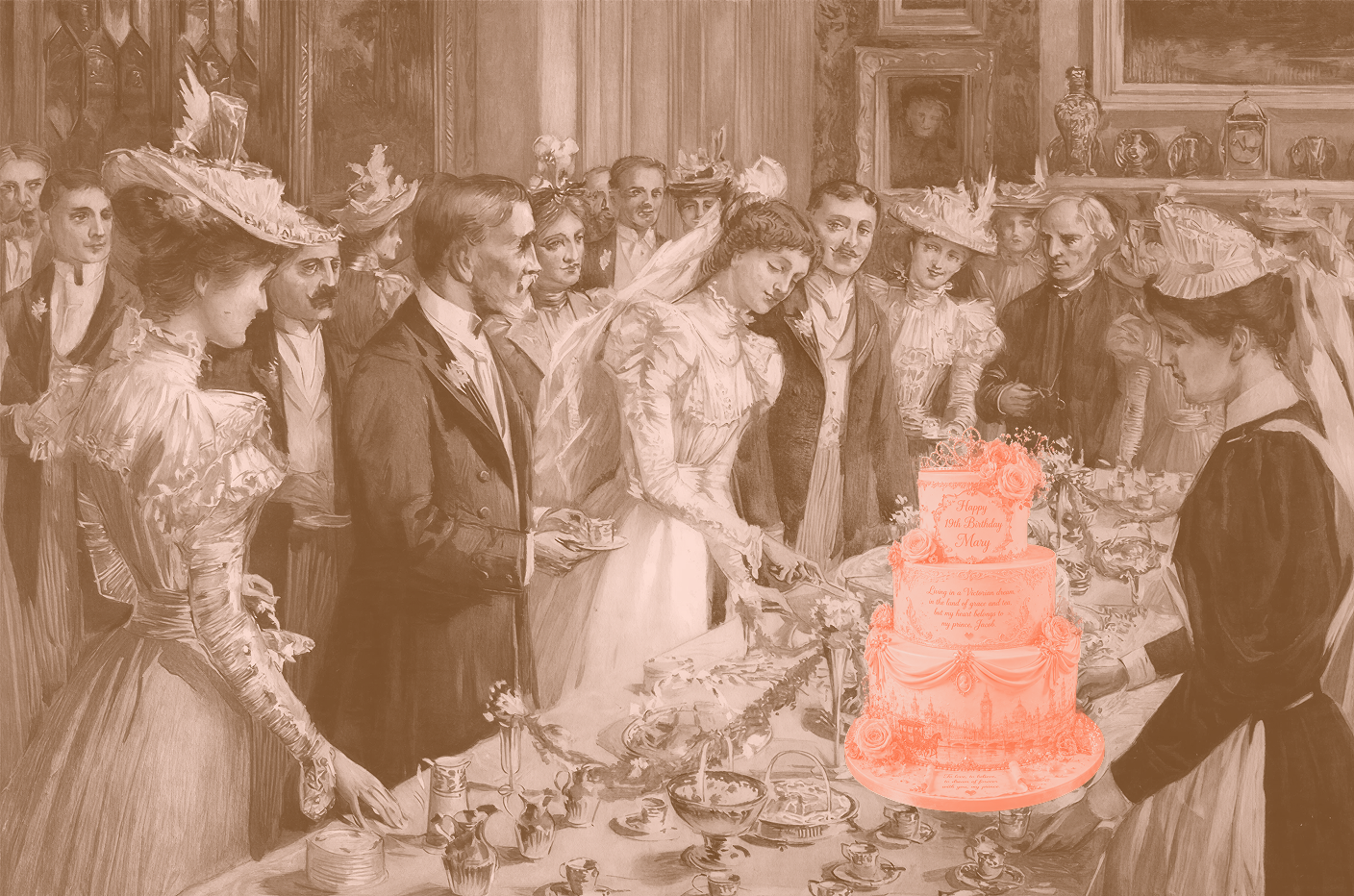
The "AI birthday cake problem" refers to a growing trend on social media, particularly Facebook, where an influx of hyper-detailed, AI-generated images of children or people holding unrealistic birthday cakes has created issues for real-world bakers and caused confusion among users. These images often feature fantastical designs, such as waterfalls, excessive flowers, or impossible gravity-defying structures, that are functionally impossible or extremely difficult to create with edible materials.

Clients bring AI-generated images to professional bakers, expecting a perfect recreation. When told it is impossible or prohibitively expensive, they may be disappointed. These images are also used as engagement bait: strange, over-rendered, over-decorated, and designed less to be baked than to be shared.

The trend intensifies the "real or cake" confusion. It becomes harder to tell apart an actual cake, a digitally composited cake, and a cake that could never exist outside image-generation software. For bakers, that gap between fantasy and material craft is where frustration sets in.

A historical birthday scene with an elaborate cake

AI cake meme

IS THIS AN AI CAKE?
NO, IT HASN’T BEEN INVENTED YET.

Blow a candle, make a wish!

If you've been to a birthday party, you've probably seen it: the cake comes out, the candles are lit, the room sings, and the birthday person makes a wish before blowing them out. It's a moment we don't think twice about, but it didn't start as just a party tradition.

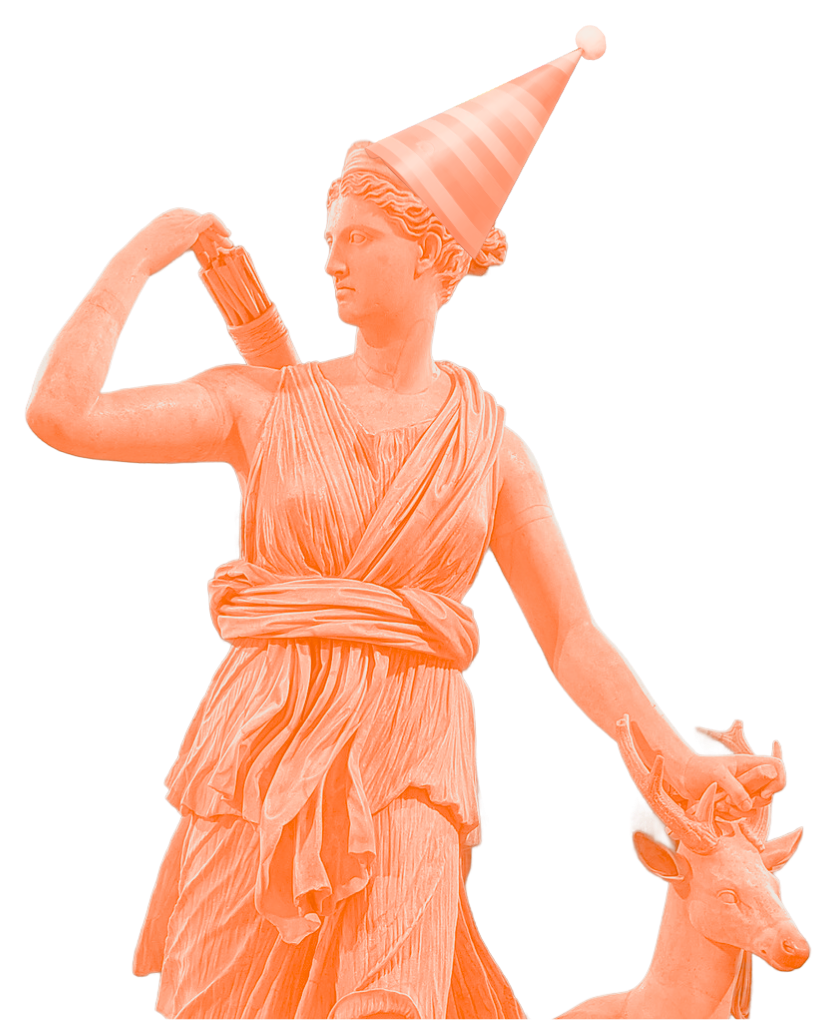
While often linked to ancient Greece, there's no direct evidence that candles were placed on cakes for the gods. Some scholars suggest the idea may trace back to rituals honoring Artemis, the moon goddess, where round cakes and possibly flames symbolized moonlight and carried prayers.

The modern tradition is more closely tied to Germany's Kinderfest, a children's celebration. At the time, birthdays were thought to make children vulnerable to evil spirits, and candles may have served as protection. One of the earliest written accounts comes from Johann Wolfgang von Goethe, who described a cake covered in dozens of lit candles at his 52nd birthday in the 18th century.

The idea of fire as divine presence is incredibly old and cross-cultural. Indo-European belief systems used fire in household altars and public ceremonies.

By then, the ritual was well established. While Catholics used candles in religious contexts, Protestants adapted the act into a domestic tradition. Blowing out candles while making a silent wish echoes older beliefs linking breath with the soul.

German immigrants brought the custom to the United States in the 19th century, where it gradually evolved. By the early 1900s, the now-familiar version, where the birthday person blows out their own candles in one breath for a wish to come true, had taken hold.

Between 1900 and 1920, birthday candles became standard in middle class households in the U.S. and UK. By the 1920s, they were mass-produced and widely sold, turning the practice into a mainstream tradition.

Media cement its popularity.

Disney's 1931 short "The Birthday Party," featuring Mickey Mouse, reinforced the imagery, while post-World War II American culture spread the tradition globally through entertainment, tourism and consumer brands.

Today, the simple act of blowing out candles carries traces of ancient ritual, cultural exchange, and modern commercialization.

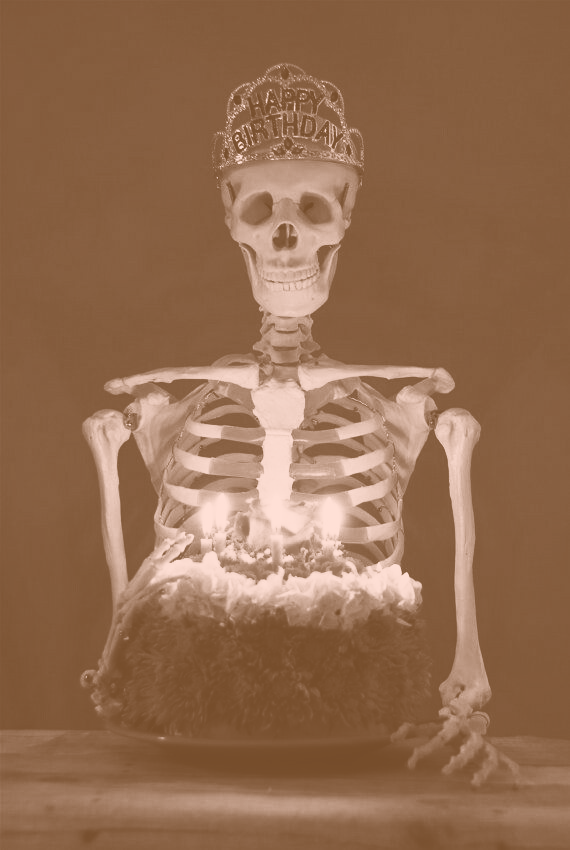
When's your birthday? Hope you survive it

Did you know you are statistically most likely to die on your birthday?

Click on the box of your birthday

Scientists named September 9 as the most common day for birth, while September 19 is the second most popular, that is, about nine months after the Catholic Christmas and New Year holidays.

According to the researchers, the boom in births in September is associated with the cold winter weather, which encourages people to stay at home alone with each other more often.

There is also a lesser-known statistical phenomenon called the "birthday effect": studies have found that people are slightly more likely to die on their birthday, as well as in the 30-day window before and after it. Explanations vary - from psychological stress and risk-taking behavior to biological cycles - but the pattern has been observed across multiple populations.

Your birthday is playing favorites behind your back

The birthday-number effect is a psychological phenomenon in which individuals unconsciously prefer and rate numbers associated with their birthdate-such as the month, day, or year-more favorably than unrelated numbers. This effect stems from implicit self-esteem, where positive associations with personally significant stimuli like one's birthday lead to heightened liking, analogous to the name-letter effect in which people favor the initial letters of their own name.

First identified by Kitayama and Karasawa in a 1997 study of Japanese participants, the effect demonstrated that individuals assigned higher preference ratings to birthday-related digits in controlled tasks, suggesting an automatic, non-conscious process rather than deliberate choice. Building on this, Pelham, Mirenberg, and Jones (2002) integrated the birthday-number effect into the theory of implicit egotism, positing that such unconscious preferences reflect positive self-associations, while related name-letter preferences have been shown to subtly influence major life decisions such as choosing a residence or occupation.

Subsequent research has replicated and extended these findings across cultures and contexts. A 2024 study by Nutt confirmed the effect in a U.S. sample, reporting significant preferences for birthday numbers (F[1, 97] = 17.85, p < .001) and noting that women exhibit a stronger bias than men, potentially due to gender differences in self-relevant processing. [5] Notably, the effect shows no correlation with explicit self-esteem measures (r{99} = .02, p = .88), underscoring its implicit nature independent of overt self-evaluation.

Applications extend to consumer behavior, where implicit egotism from birthday numbers can affect product evaluations, such as preferring items with matching numerical features. Overall, the birthday-number effect highlights how subtle self-associations shape everyday preferences and decisions, contributing to broader understandings of unconscious motivation in social psychology.

Birthdays are the most common day to get divorced, with 22% of divorces filed on or around this day.

What a lovely day to finally get divorced.

Some birthdays are too special

In many countries, ages 15, 16, 18, or 21 are commonly recognized as milestones marking the transition into adulthood or legal majority, depending on local laws and traditions.

In Canada and the United States, families often mark a girl's 16th birthday with a “sweet sixteen” celebration, often represented in popular culture. In some Hispanic countries, as well as Brazil, the quinceañera and festa de quinze anos traditionally mark a girl's 15th birthday.

In Japan, people celebrate Coming of Age Day for those who have turned 18. In the Philippines, a coming-of-age party called a debut is held for young women on their 18th birthday and young men on their 21st birthday.

Jewish boys have a bar mitzvah on their 13th birthday, while Jewish girls have a bat mitzvah at 12 or sometimes 13, depending on the tradition. This marks their transition into religious responsibility within the community.

Cultural attitudes toward birthdays can also vary in less celebratory ways. For example, in Russia, the 40th birthday is often considered an unlucky occasion and is traditionally not celebrated, as the number 40 is associated with memorial customs marking 40 days after death.

Not every birthday feels like a party

Birthdays are socially considered special days filled with joy, celebration, and moments shared with loved ones. However, not everyone experiences this day with such enthusiasm. For some, birthdays are a source of sadness or melancholy, a phenomenon known as the "birthday blues." This sadness related to birthdays may seem contradictory in a culture that promotes their celebration.

What is the birthday blues?

The term “Birthday Blues” originates in the United States and refers to the feeling of sadness or melancholy that some people experience in relation to their birthday and the days or moments associated with it. Although birthdays are usually seen as an occasion for celebration and joy, for some people they can trigger negative feelings. The causes of this phenomenon are varied, complex, and multifaceted.

One of the most common reasons for this sadness around birthdays is reflection on aging. Turning another year older can remind people of the passage of time and make them think about their achievements and unfulfilled goals, which can generate feelings of dissatisfaction or failure. This self-evaluation can be particularly acute when personal expectations don't match reality, leading to a sense of loss or disappointment.

Societal expectations surrounding birthdays and their celebrations also play a crucial role. The pressure to have a perfect celebration, fueled by idealized birthday images on social media and in popular culture, can make people feel inadequate if their own celebrations fall short. This can lead to feelings of isolation and sadness, especially if one compares negatively to others.

In addition, some people also experience the Birthday Blues due to a lack of celebration or recognition from friends or family. Feeling forgotten and unappreciated on a day that is usually expected to be special can generate and deepen feelings of sadness and loneliness.

The psychological factors behind the birthday blues are varied and deeply personal, though they share certain common patterns:

  1. Reflection on the passage of time
  2. Social comparison
  3. Social expectations
  4. Negative past experiences

The birthday blues are a real phenomenon that affects many people, leading to feelings of sadness and negative reflection on what is supposed to be a special day. Understanding the underlying causes, such as reflection on aging and the pressure of societal expectations, is crucial for addressing these feelings. Implementing self-care strategies, mindful planning, and social support can transform these difficult moments into opportunities for personal growth. Recognizing and validating one’s own emotions allows for celebrating birthdays in a meaningful and positive way, fostering greater self-compassion and emotional well-being.

The average person will celebrate 14,61 birthdays in their lifetime

Spend the next one fun!